











Wellness & Recovery
Types of Spa Treatments: How to Choose the Right One for You
Read more
Feb 27, 2026
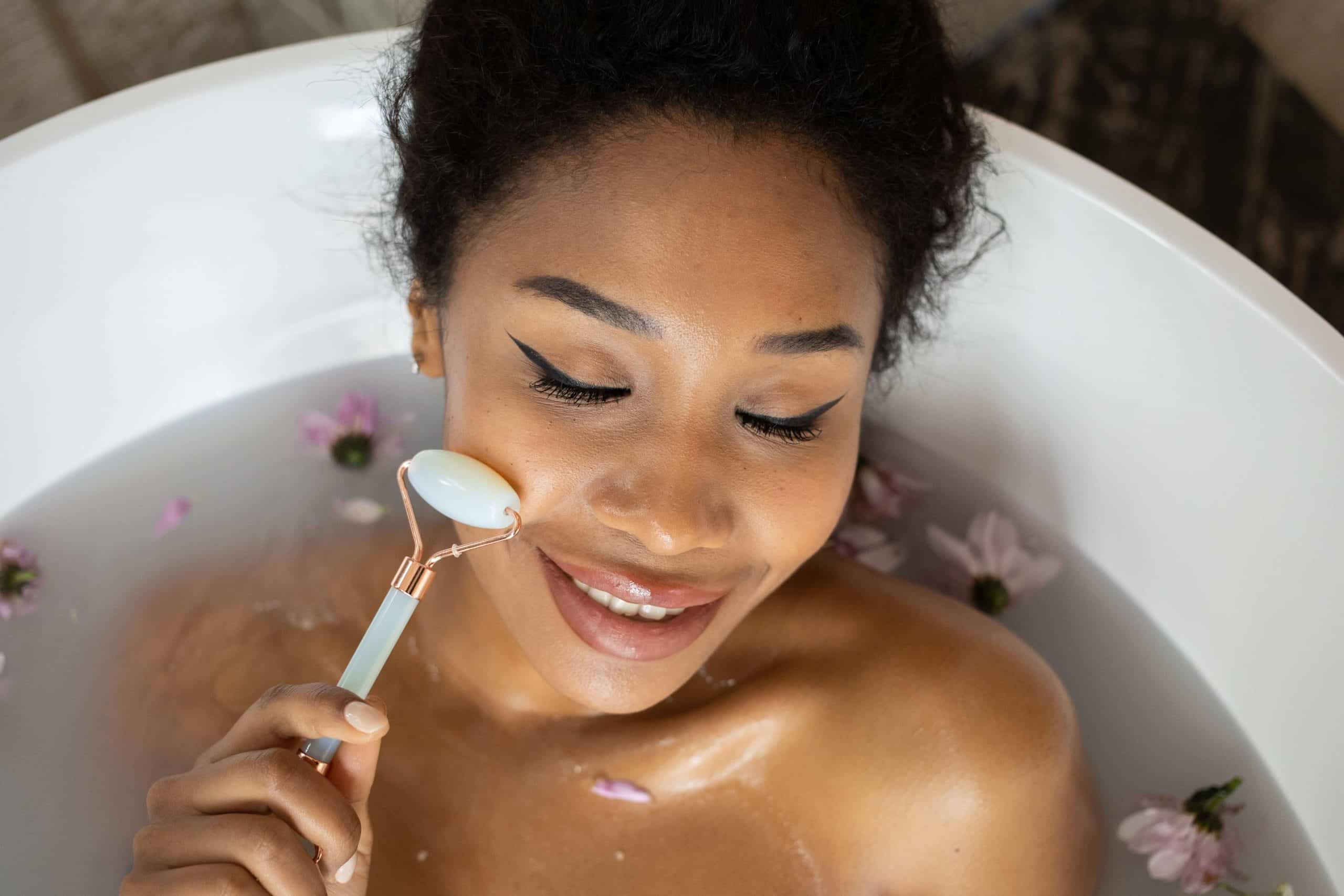
If you like taking hot baths to relax, you’re onto something. Not only does a warm soak feel nice, but it can improve your health and well-being. The benefits of bathing in hot water include easing sore muscles, supporting heart health, and improving sleep quality.
In this article, we break down 10 warm bath benefits, share tips for soaking safely, and answer common questions so you can get the most out of your baths. We’ll also share our favorite spa bath experience, which you can enjoy at Oakwell Beer Spa in Denver.
People often report that regular hot baths may help ease muscle pain, reduce stress, improve sleep, support heart health, and more. A good temperature is usually around 95–104°F (35–40°C), and 10–20 minutes is generally a safe soak time.
While hot baths are helpful for many people, they aren't for everyone. For example, people who are pregnant, have low blood pressure, or have certain heart or vascular conditions should check with a doctor first.

If your muscles feel tight after a long day or intense workout, a warm bath may offer relief. Heat helps loosen tense muscles and improve circulation, which can reduce stiffness and soreness.
Warm baths also help with arthritis. The Arthritis Foundation recommends warm water therapy for people dealing with arthritis-related discomfort. A 2021 study found that hydrotherapy was more effective than physiotherapy at reducing pain and stiffness after knee surgery. While a bath at home isn't clinical hydrotherapy, but both use warm water, buoyancy, and heat to support the body.
There's a reason baths are a go-to self-care activity. Warm water activates the parasympathetic nervous system, which is the part of your body responsible for rest and relaxation.
A health survey found that people who regularly took immersion baths reported lower stress, better mood, and higher levels of happiness than those who showered instead of bathing. Cleveland Clinic also notes that warm baths are linked to lower stress hormone levels and more balanced serotonin levels. Even a 10-minute soak can shift your nervous system into a calmer state.
Struggling to wind down at night? A warm bath 1–2 hours before bed may help.
When you soak in warm water, your body temperature rises and then drops once you get out. This cooling process signals to your brain that it's time for sleep, similar to what naturally happens as you drift off. A 2023 review of studies also found that hydrotherapy improved sleep quality.
One of the more surprising benefits of bathing in hot water is its potential effect on cardiovascular health. Soaking in warm water causes blood vessels to dilate, which can help lower blood pressure and improve circulation.
A 2020 Japanese study of over 30,000 participants found that people who took regular hot baths had a lower risk of cardiovascular disease and stroke. Hot water immersion may also support heart health in people who are unable to exercise regularly.
If you have an existing heart condition or high blood pressure, talk to your doctor before making hot baths a regular habit.
A unique hot water bath benefit is its contribution to brain health. A 2018 study found that hot water immersion increased levels of brain-derived neurotrophic factor (BDNF). This protein plays a key role in brain cell growth, learning, and memory. Research published in the International Journal of Environmental Research and Public Health also found that warm water immersion may help maintain brain function by increasing BDNF while decreasing cortisol, the primary stress hormone. Warm water also increases blood flow to the brain, which may support cognitive function over time.
Many headaches are tension-related, and warm water can help relieve this. Soaking in a hot bath can help relax the muscles around your head, neck, and shoulders, which are common tension points. Improved circulation from warm water may also help reduce the pressure that contributes to headache discomfort. Adding a few drops of lavender or eucalyptus essential oil to your bath may also support this relief.
When you're submerged in warm water, buoyancy reduces the weight load on your joints. This makes movement easier and less painful, especially for people dealing with stiffness or mobility issues. This is why hydrotherapy is widely used in physical rehabilitation settings. The Arthritis Foundation has long recommended warm water exercise and soaking for improved joint function. Dancers, athletes, and people recovering from injury may feel relief from regular soaks.
Warm baths increase blood circulation, which helps deliver more oxygen and nutrients to the skin's surface. This can leave skin looking more radiant right after a soak. Some dermatologists also note that warm water can help soften skin and improve the absorption of moisturizers applied afterward.
Avoid using water that’s too hot and very long soaks, as this can strip the skin's natural oils and worsen conditions like eczema or rosacea. Keeping baths under 20 minutes and applying a moisturizer within a few minutes of getting out can help lock in hydration. Adding nourishing products, like colloidal oatmeal or Epsom salt, also supports skin health.
The steam from a hot bath can temporarily helpopen nasal passages and loosen mucus, making it easier to breathe when you're congested. This can provide short-term comfort for colds, allergies, or sinus congestion. That said, it won't cure an infection or shorten the duration of illness. Breathing slowly and deeply while soaking can help maximize the effect.
Beyond the physical benefits, a regular bath can be a simple, low-cost way to make time for yourself. Consistent self-care practices, even small ones, are linked to lower burnout, better mental health, and improved overall well-being.
A bath gives you a specific window to step away from screens, slow down, and decompress. Enjoying your bath with calming elements like dim lighting, a good playlist, or a book can make it something you actually look forward to. If you can build this into your routine a few times a week, you’ll likely experience more joy and relaxation.

Getting the most out of a hot bath comes down to a few key factors:
Hot baths are safe for most healthy adults, but certain situations call for extra caution or a cooler alternative:
| Warm Bath (95–100°F) | Hot Bath (100–104°F) | Warm Shower | |
| Best for | Relaxation, skin health, daily use | Muscle pain, sleep, circulation | Quick refresh, congestion relief |
| Sleep support | ✓ | ✓✓ | ✓ |
| Muscle relief | ✓ | ✓✓ | ✓ |
| Skin-friendly | ✓✓ | ✓ (keep it brief) | ✓✓ |
| Safe for sensitive skin | ✓✓ | Use caution | ✓✓ |
| Heart/blood pressure concerns | Lower risk | Use caution | Lower risk |
| Time needed | 10–20 min | 10–20 min | 5–10 min |
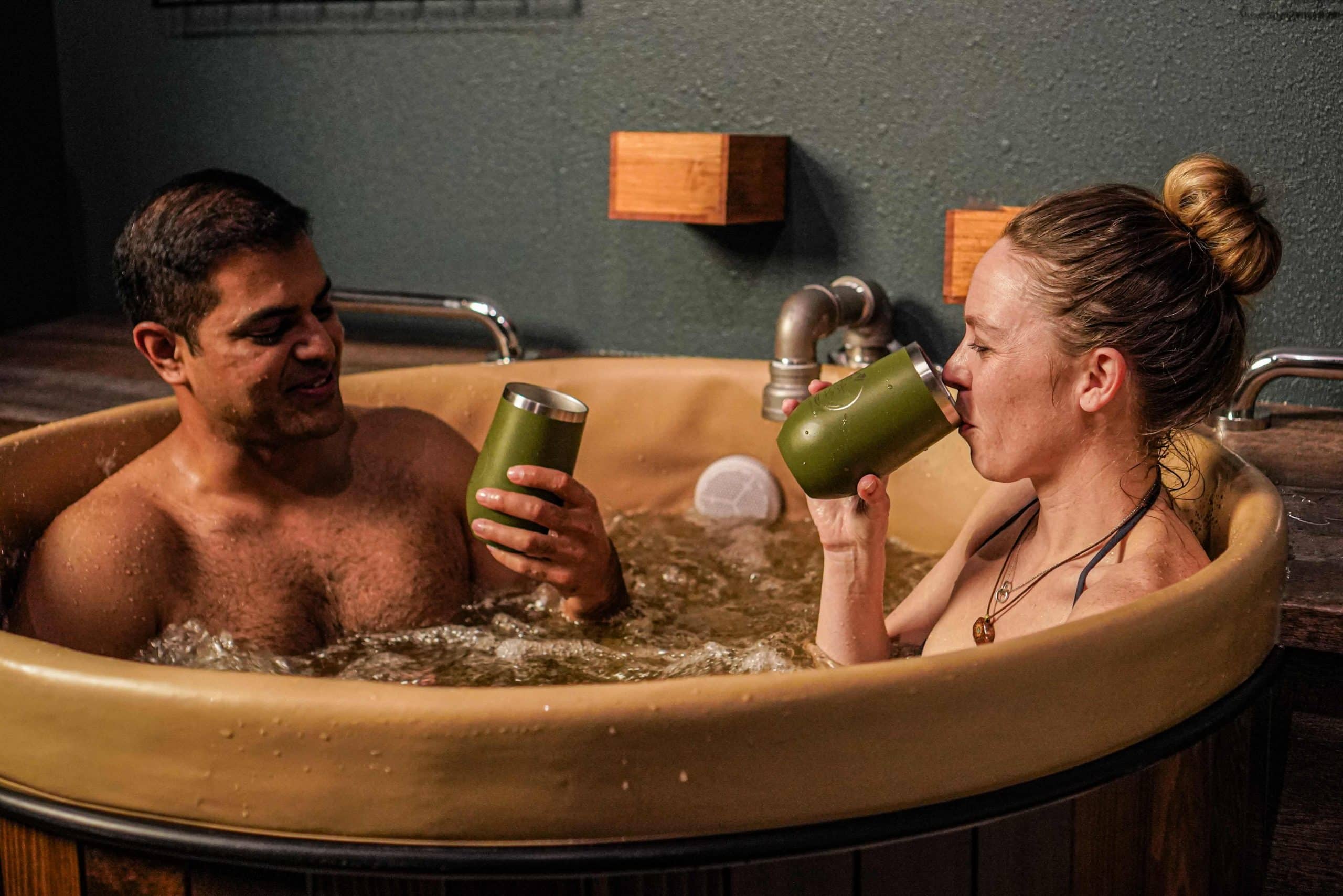
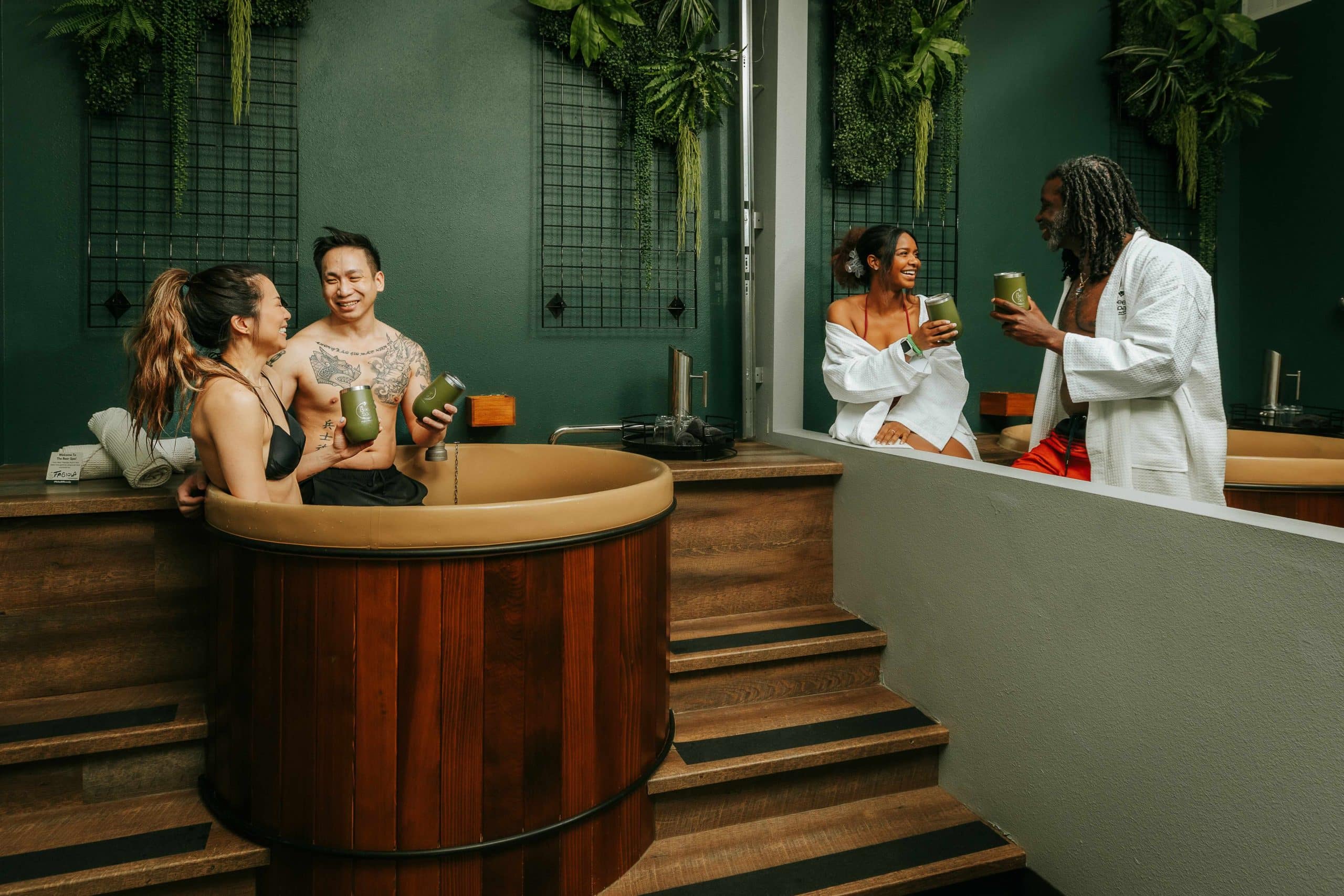
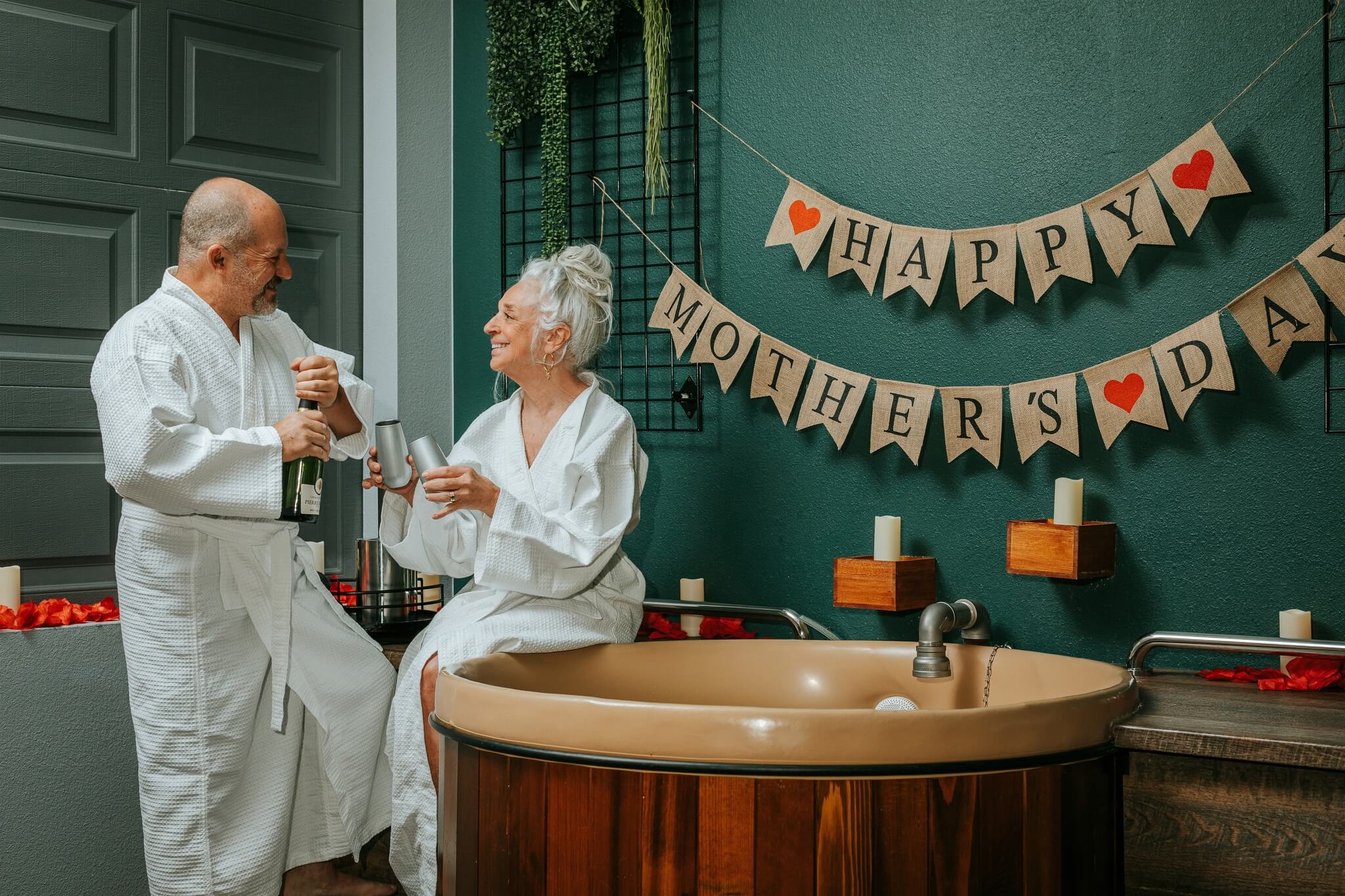
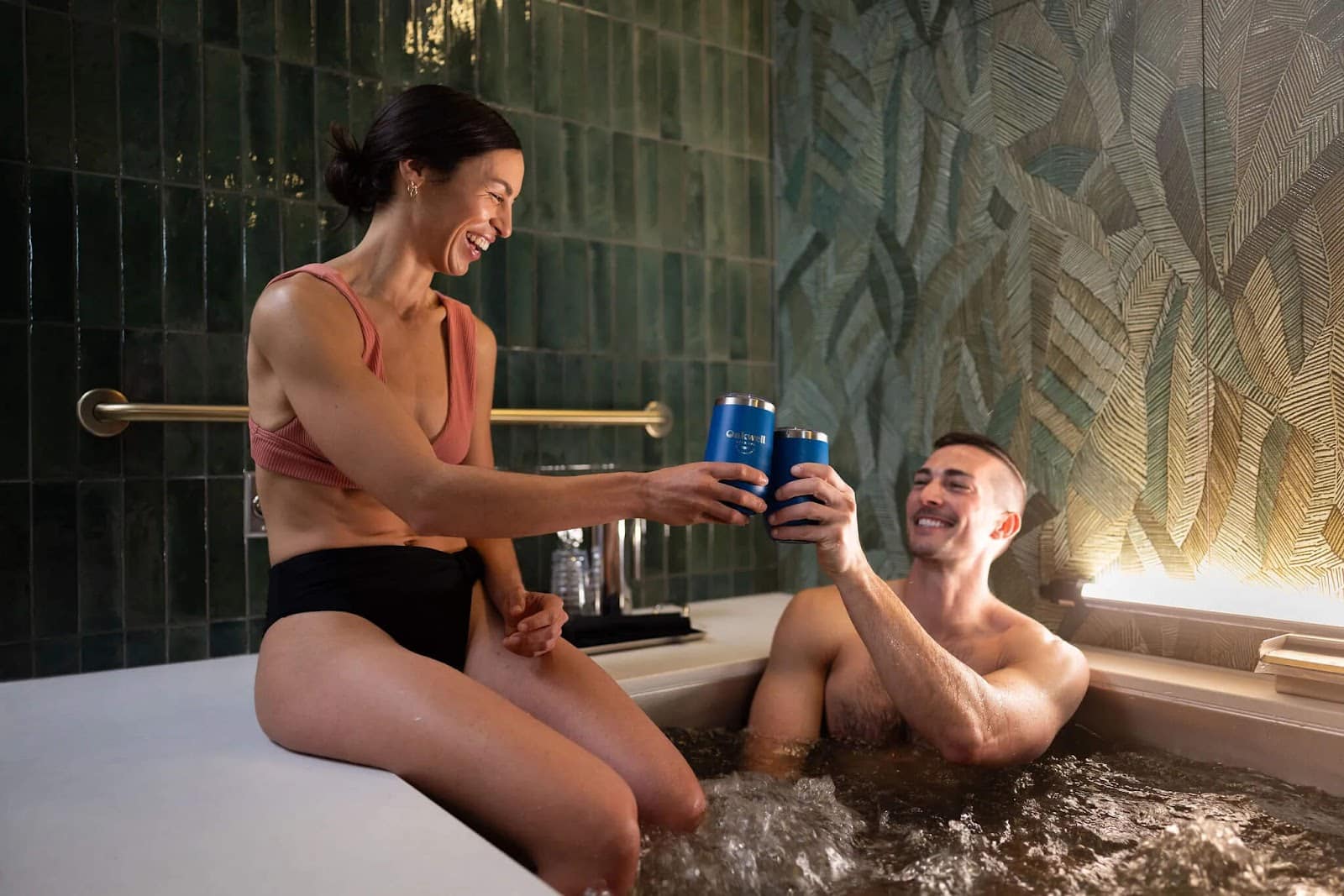
If you want to take your warm bath experience up a notch, Oakwell Beer Spa in Denver offers something you won't find at a typical spa. The Beer Bath Hydrotherapy service lets you soak in a warm bath infused with beer hops, barley, and beneficial herbs — ingredients used in European bathing traditions for centuries. The temperature is set between 95° F and 100°F to maintain the benefits of the herbal blend and to allow you to comfortably soak.
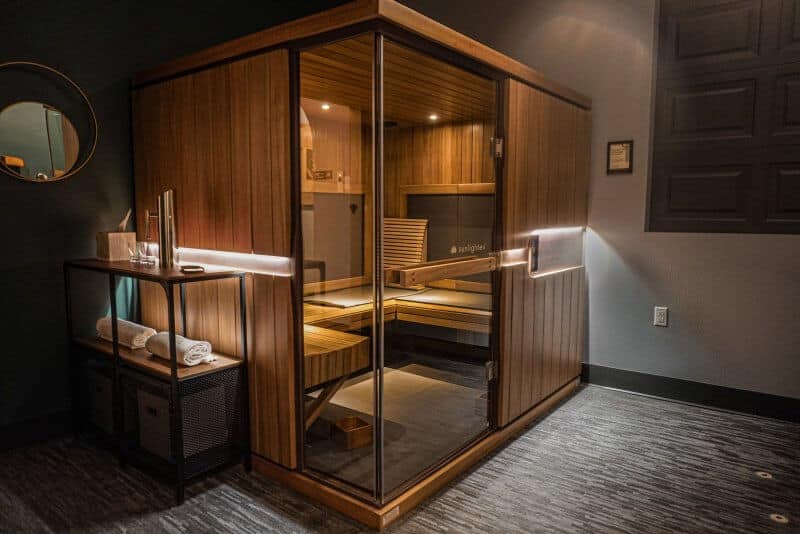
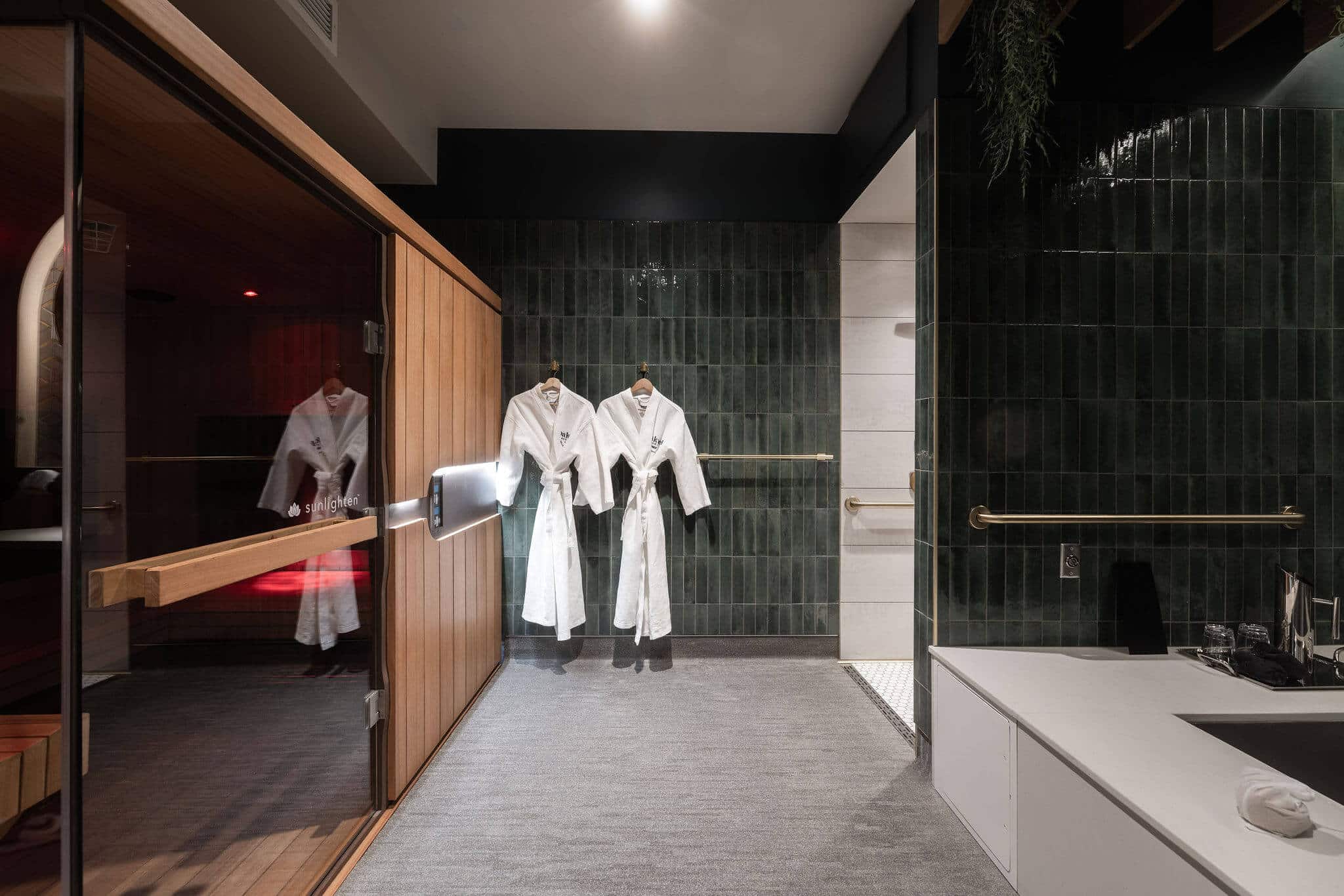
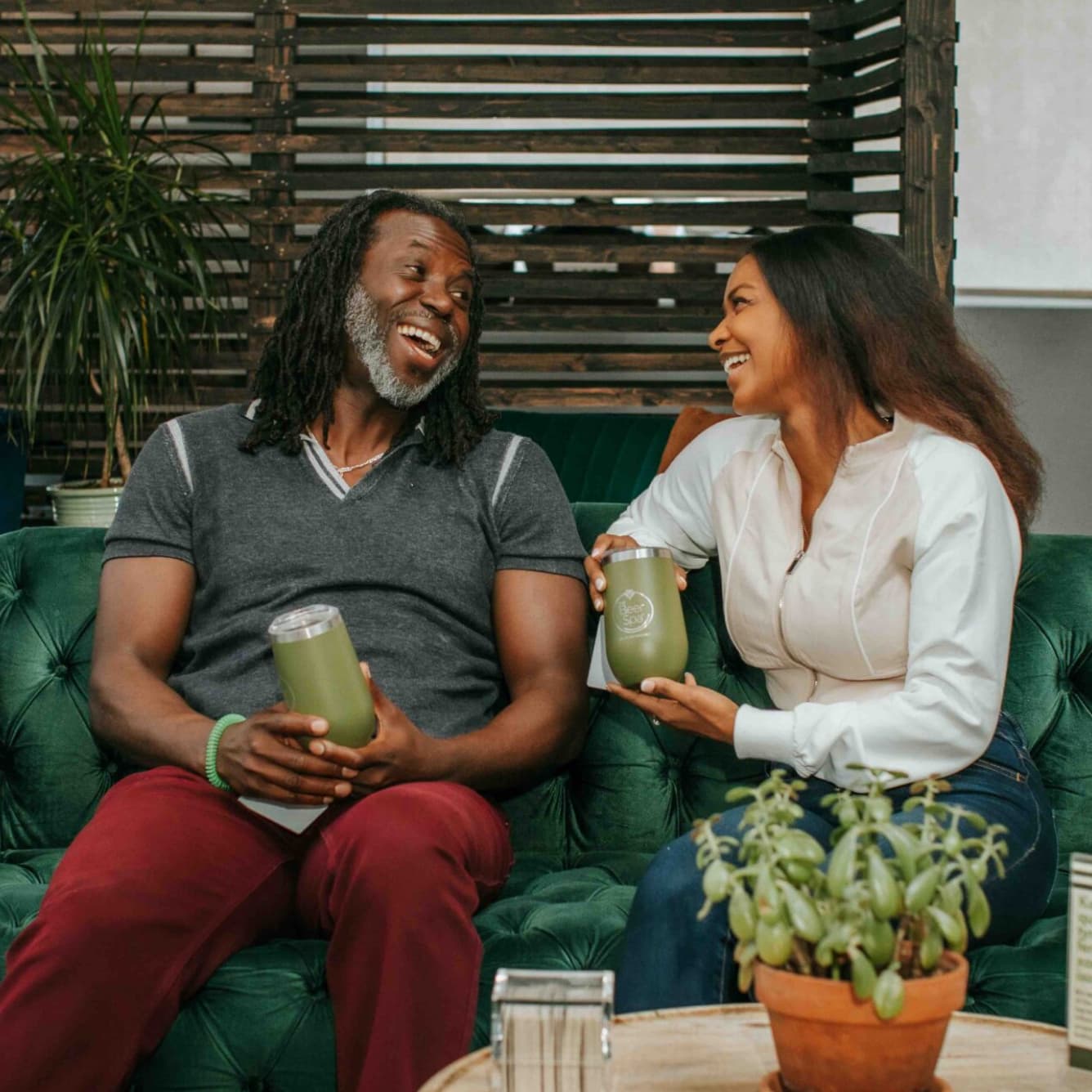
Oakwell Beer Spa offers a relaxing environment with a spa suite for up to two people or multiple rooms for larger groups. Each suite includes a beer bath and an infrared sauna. There’s also a self-serve taproom with beer, wine, cider, tea, and kombucha.
Whether you're a Denver local or visiting, this is a unique way to enjoy a therapeutic bath and a memorable experience.
Warm and hot baths offer a wide range of benefits, from easing muscle soreness and supporting heart health to improving sleep and giving your skin a healthy glow. Most healthy adults can safely enjoy a 10–20 minute soak up to 104°F a few times per week. If you have a health condition, a quick check-in with your doctor is worth it before making hot baths a regular habit.
Ready to experience a warm bath differently? Book a spa day at Oakwell Beer Spa and enjoy beer bath hydrotherapy and other relaxing treatments.
Note: This article is for informational purposes only and is not a substitute for medical advice. If you have a health condition, consult your doctor before starting a new routine.
Most people can take two to three warm baths per week. If your skin feels dry or irritated, scale back to once or twice a week and apply moisturizer after each soak.
Baths and showers are both beneficial, but it depends on your goal. Baths offer more sustained heat exposure, which is better for muscle relief, sleep, and circulation. Showers are quicker and gentler on the skin. Both have value, so mixing the two is a practical approach.
A hot bath should usually be between 95–104°F (35–40°C). This is warm enough to trigger circulation and relaxation benefits without overheating your body. Anything above 104°F may be unsafe.
Hot and cold baths can both be helpful, but they serve different purposes. Hot baths are better for relaxation, sleep, muscle recovery, and circulation. Cold baths are more commonly used to reduce acute inflammation and energize the body post-workout. Some people alte
ate between the two for combined benefits.
You should usually soak for 10–20 minutes. Soaking longer can lead to dehydration, skin dryness, or overheating — especially at higher temperatures.
For most healthy adults, daily hot baths are fine if the water is warm rather than hot and you keep sessions to 20 minutes or less. Moisturize regularly if you have dry skin, and consider taking fewer hot baths. If you have a heart condition, low blood pressure, or other health conce
s, check with your doctor for personalized guidance.
Warm baths (under 100°F) are generally considered safe during pregnancy, but hot baths above 101°F may raise core body temperature in ways that could be harmful, particularly in the first trimester. Always check with your OB-GYN before soaking.
Hogshead Brewery at Oakwell Beer Spa: November 2023 Enjoy one of the most unique and relaxing experiences in Denver this November at Oakwell Beer Spa. Have a beer-inspired spa day with delicious craft beer from Hogshead Brewery. In this article, we’ll discuss the Oakwell Beer Spa experience and which local beers you can enjoy from […]

Something Brewery at Oakwell Beer Spa: August 2023 Are you looking for something to do in Denver in August? Look no further than Oakwell Beer Spa, where you can enjoy a relaxing spa day with delicious beer from Something Brewery. Oakwell Beer Spa in Denver is a unique, award-winning day spa that partners with a […]

When the skies open up in Denver, Colorado locals and visitors alike often find themselves wondering how to make the most of a rainy day. While Denver’s 300 days of sunshine might spoil us, those occasional rainy afternoons call for something special. Wondering what to do in Denver when it rains? Head straight to Oakwell […]