
















Wellness & Recovery
Beer Bath Contraindications: When to Skip or Modify Heat Therapy
Read more
Mar 27, 2026

Many people enjoy how infrared sauna waves directly heat the body, which may be more effective. It's also less steamy, which many people find more enjoyable. But what are far infrared saunas, and how do they differ from other types of saunas?
Learn how a far infrared sauna works, its benefits, and risks. We’ll also discuss how to prepare for an infrared sauna treatment so you can relax without the hassle.
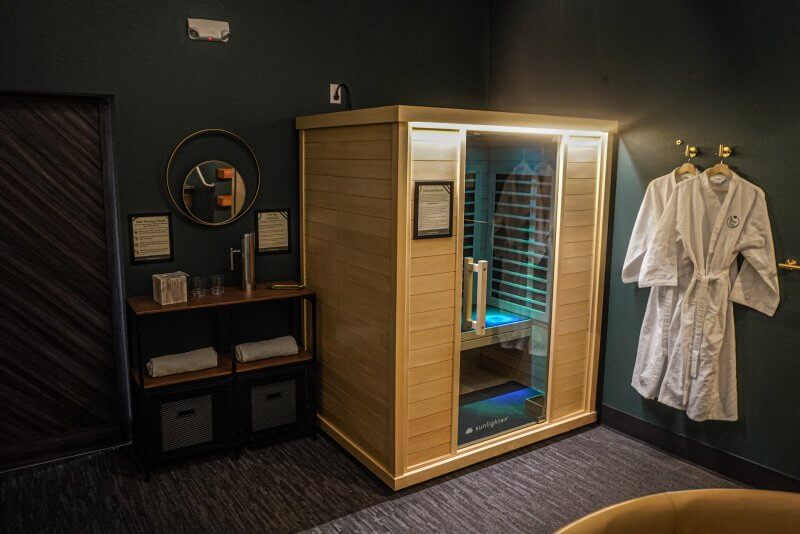
A far infrared sauna uses modern technology to penetrate the cellular level of the body, increasing body temperature and causing sweat to release toxins and relieve muscle tension.
The primary difference between an infrared sauna and a traditional sauna is the way they heat your body. While infrared heat raises your core body temperature, traditional saunas heat the air around you to jumpstart your body’s perspiration.
Infrared light comes from Far Infrared Radiation, a wavelength of light that doesn’t contain any UV rays. For example, Sunlighten-brand infrared saunas use the safe wavelengths of sunlight to raise your body’s temperature, causing you to sweat from internal processes. As this happens, your heart rate increases as your circulation improves.
Infrared and traditional saunas both promote sweating and detoxification, but they work in different ways—and feel very different.
An infrared sauna uses light waves to heat your body directly, raising your core temperature from within. Because it doesn’t rely on heating the air, it operates at lower temperatures while still producing a deep sweat. This makes sessions more comfortable and longer—often up to 30 minutes—with a drier, less steamy environment.
A traditional sauna heats the air around you, which in turn warms your body. This creates a much hotter, more intense experience, often with added humidity. The heat triggers sweating externally, so sessions are typically shorter, around 10 to 15 minutes.
In short, infrared saunas offer a gentler, longer experience, while traditional saunas deliver that classic high-heat, steamy intensity.
It depends on your personal preference. Many people prefer infrared saunas because the rays may penetrate the skin more deeply. You may feel more beneficial effects because of that. Infrared saunas are also less hot and humid, which some people find more enjoyable. It's less of an endurance contest and more of a restorative experience.

Medical professionals believe there are various infrared sauna benefits.
As you sweat and release toxins in an infrared sauna, you eliminate bacteria and dead skin from the top layer of your skin, aiding with anti-aging. This helps your skin become smoother and softer. Infrared rays also help clear acne, enhance elasticity to reduce wrinkles, and improve skin tone.
While saunas aren’t meant to be a weight loss treatment, they can help. During a sauna treatment, your heart rate increases and tricks your body into thinking it’s participating in cardio exercise. Sweating also requires a lot of your body’s energy, so you get to rest while you burn calories and eliminate excess fluid.
Some patients with heart conditions use far infrared saunas to improve their heart health. Some evidence shows that saunas can help normalize blood pressure and improve heart health. With that said, infrared saunas shouldn’t be used for treatment, and it’s vital to consult your doctor before using a sauna.
Many people who experience pain find relief during an infrared sauna treatment. As your blood vessels expand and circulation improves, muscle tension decreases. Research also shows that infrared rays reduce the effects of arthritis by easing pain and stiffness.
As you relax in an infrared sauna, the rays go deep into the skin. They raise your body temperature and heart rate, resulting in deep sweating. Sweating helps your body release excess sodium and small amounts of certain compounds, while your liver and kidneys do the heavy lifting when it comes to detoxification.
If you’ve ever had a sauna treatment, you may have felt immediately relaxed and ready for a nap. Infrared sauna benefits, like pain relief and detoxification, help your body relax. Relaxation leads to better sleep, resulting in better mental and physical well-being.
While infrared saunas are effective for many people, there are some cases where other spa treatments may be best.
When in doubt, check with your doctor first. Safety first!
If you've never tried an infrared sauna before, these tips will help you fully enjoy the experience.
If you’re new to infrared sauna therapy, go once per week for a few visits. If your body responds well, you can go up to four times a week.
By using modern-day technology that heats the body from within, far infrared saunas can relax the body and improve your mental and physical well-being.
If you’re in Denver and want to experience infrared sauna therapy at an award-winning day spa, check out Oakwell Beer Spa. You can book a spa day in a private beer therapy room, which includes beer bath hydrotherapy and an infrared sauna for a complete reset.

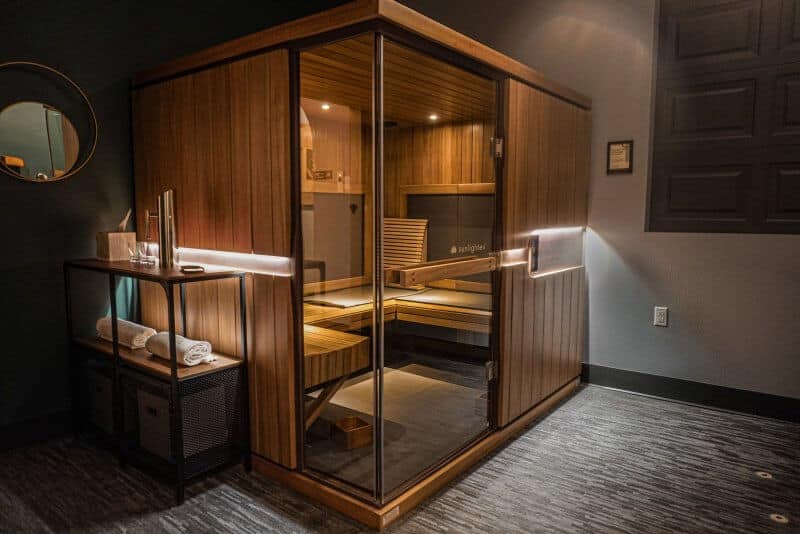

Infrared saunas can lead to overheating, dehydration, dizziness, headache, or nausea if sessions are too long or hydration is poor. Heat may dry or irritate the skin. People with unstable heart conditions, very low blood pressure, fever, peripheral neuropathy, or who are pregnant should avoid use or get medical clearance. Alcohol and some medications increase heat stress. Use moderate time and temperature, hydrate well, and cool down gradually.
Infrared saunas emit non-ionizing infrared light and low levels of low-frequency EMF; they do not emit ionizing radiation or UV. The main risk is excess heat, not radiation. Choosing a certified low-EMF unit, keeping sessions moderate, and staying hydrated helps minimize risk.
With infrared sauna use, two potential negatives are heat-related illness (overheating, lightheadedness, dehydration) and skin effects (dryness, temporary redness, irritation). These are typically preventable by limiting time and temperature, hydrating, and allowing a gradual cool-down.
No. Because elevated core temperature can pose fetal risks, major health organizations advise avoiding saunas and hot tubs during pregnancy. Postpone infrared sauna sessions and consult your prenatal care provider about safer relaxation options.
Far infrared saunas warm the body directly with infrared light, allowing lower air temperatures (about 110–140°F) while still promoting deep warming and sweating. Traditional saunas heat the air to higher temperatures (often 170–200°F) to warm the body. Many users find far infrared heat gentler and easier to tolerate.
Start with 10–15 minutes at 110–120°F and build to 20–30 minutes at 120–140°F as tolerated. Most adults do well with 2–4 sessions per week. Hydrate before and after, exit if you feel unwell, and consult your clinician if you have medical conditions or take heat-sensitive medications.
While both far and near-infrared saunas are excellent wellness treatments, the healing therapy of far-infrared saunas is said to be much more significant as your skin is deeply penetrated, bringing out sweat and toxins from deeper tissues.
Infrared saunas are safe for most people and even have wellness benefits. Since far infrared sauna therapy speeds up your heart rate and circulation, you should consult your healthcare provider if you have heart, liver, or blood pressure conce
s. If you’re pregnant or on medication, you should also consult your doctor.
While studies don’t show that there are major side effects of using infrared saunas, some people experience lightheadedness, dehydration, or overheating. It’s important to start with a lower temperature and shorter time and build your way up. Hydrating and resting afterward is also helpful.
Infrared saunas don’t provide steam or high ambient heat, so the experience can feel less intense than a traditional sauna. Lower-quality units may produce uneven heat, have higher electromagnetic fields, or off-gas from inferior materials. They’re not suitable for everyone, especially people with certain medical conditions or heat sensitivity. As with any heat therapy, dehydration, dizziness, or overheating can occur if you overdo it.
Infrared saunas are typically more energy-efficient and simpler to install. A 2–4 person infrared unit often draws about 1.5–3 kW and preheats in 10–15 minutes, while a comparable traditional electric sauna may draw around 4.5–8 kW and need 30–45 minutes to preheat. Infrared models usually plug into a standard or dedicated household circuit and don’t require ventilation for steam, making them easier for many homes.
Enjoy fun things to do in Highlands Ranch, Colorado, including outdoor activities, a relaxing spa day, and sipping local craft beer.

How to Have a Memorable Weekend Trip to Denver Named one of the best travel destinations in the world, it’s easy to have an incredible weekend trip to Denver. In this article, we’ll share the perfect Denver weekend itinerary. You’ll find everything you need to know about a Denver weekend trip, including the best activities […]

When the skies open up in Denver, Colorado locals and visitors alike often find themselves wondering how to make the most of a rainy day. While Denver’s 300 days of sunshine might spoil us, those occasional rainy afternoons call for something special. Wondering what to do in Denver when it rains? Head straight to Oakwell […]