










Wellness & Recovery
Types of Spa Treatments: How to Choose the Right One for You
Read more
Feb 27, 2026

Do you wake up feeling groggy, get sleepy mid-day, or track your sleep and notice your deep sleep is low? Many people struggle to improve deep sleep, especially when stress, overstimulation, and busy schedules keep the body from fully winding down at night.
The good news? Relaxation practices, including hydrotherapy baths, sauna sessions, and calming evening routines, can help your body rest so that deeper sleep comes more naturally.
In this article, we’ll explore why you may be struggling to get deep sleep, why it’s so important, and how relaxation practices can support your sleeping habits. We’ll also look at how spa treatments and easy at-home routines can help you sleep better at night and wake up rested.
Your deep sleep may be low due to stress, irregular sleep schedules, excessive alcohol or caffeine, or lifestyle habits that keep your body from fully relaxing. Some medical conditions and certain medications can also influence sleep quality. Because many factors can affect deep sleep, it’s best to consult a medical professional if you’re concerned about ongoing sleep issues.
Deep sleep is the stage where your body fully relaxes, restores energy, and recovers from the day. It’s also when the brain does some of its most important work to help you feel and perform better during waking hours.
Top reasons deep sleep really matters include:
People who practice mindfulness and relaxation often report better sleep quality. Taking time to unwind can calm the nervous system, release muscle tension, and reduce stress — all of which make it easier for the body to slip into deeper stages of rest. As your heart rate slows and your breathing deepens during relaxation, your body shifts into a parasympathetic state, which helps you rest, restore, and recover.
Gentle practices like warm baths, sauna sessions, and massage support both physical and mental relaxation. They help loosen tight muscles while signaling to the brain that it’s time to slow down. When combined with regular movement or light exercise, relaxation techniques are also said to ease mild to moderate sleep disturbances — especially when stress, tension, and overstimulation are part of the cause.
If sleep issues are severe or persistent, it’s best to consult a medical professional for guidance.
Some spa experiences are designed to melt away tension and quiet the mind, which can naturally improve deep sleep.
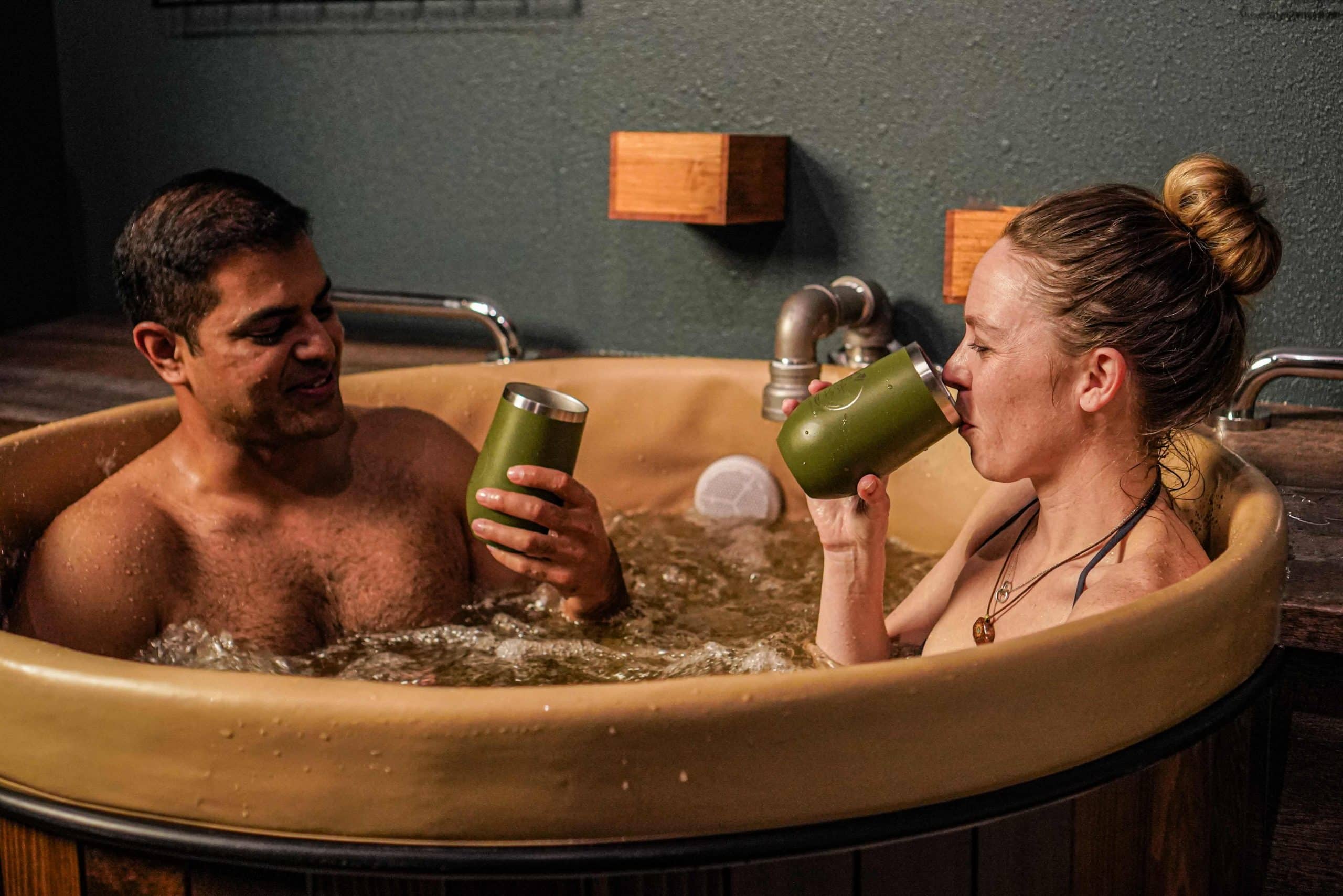
If you’ve ever taken a warm bath before bed, you probably know how soothing it can be. Hydrotherapy uses warm water to relax muscles, calm the nervous system, and gently shift the body into a state of rest. The warmth raises your core temperature, and as your body cools down afterward, it naturally signals that it’s time to sleep.
You can enjoy hydrotherapy at a spa or take a warm bath at home. The feeling of weightlessness in water helps reduce pressure on joints and muscles, offering relief from mild aches that can make sleep more difficult. You can also pair an evening bath with a relaxing candle and dim lights for a soothing nighttime routine.
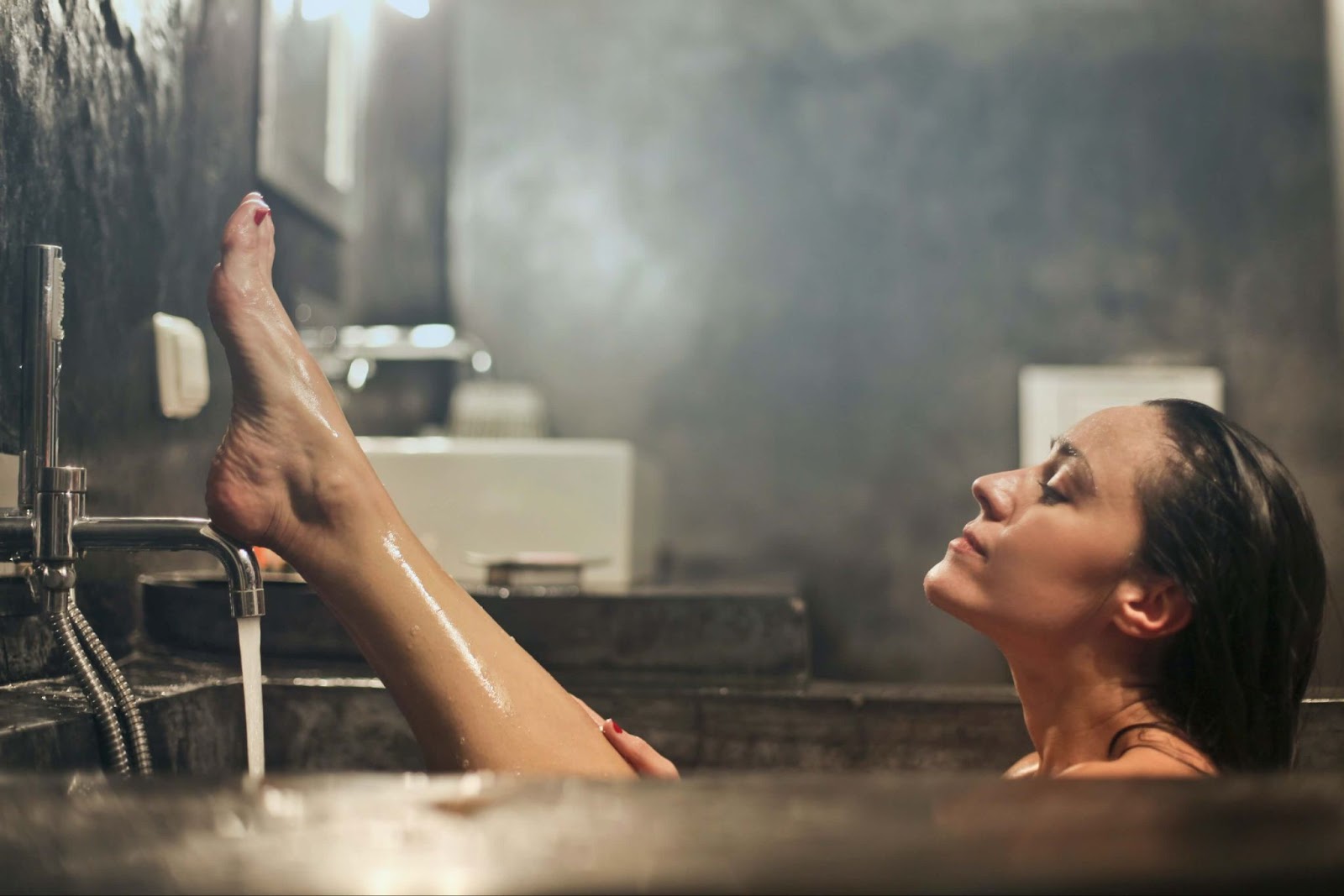
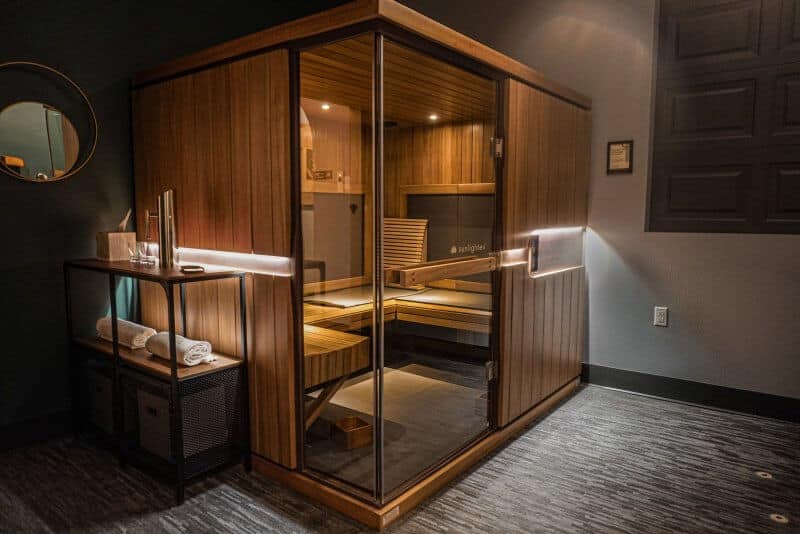
More than 80% of people report better sleep after using a sauna. A sauna gently warms the body, increases circulation, and helps release built-up tension from muscles. Traditional saunas use dry heat, while infrared saunas warm the body directly at a deeper level — both supporting relaxation in slightly different ways.
The rise and fall of body temperature after a sauna session is like the natural cooling process that happens before sleep, helping your body shift into rest mode more easily. The heat also relaxes tight muscles, encourages deeper breathing, and promotes a sense of calm that lingers after the session ends.
A full-body massage delivers slow, rhythmic pressure across major muscle groups to ease tension and support overall relaxation. Research suggests that relaxation-based massage before bedtime may help improve sleep efficiency by reducing stress and calming the nervous system.
You can treat yourself to massages at a spa or incorporate simple massage techniques at home using oils or lotions. Even a short shoulder, leg, or foot massage can help your body rest. Our favorite full-body massage is a zero-gravity massage experience, where specialized chairs recline the body into a neutral position and use air compression and rolling movements to mimic traditional techniques.
A warm shower can be just as effective as a bath when it comes to preparing for deeper sleep. The warm water helps relax tight muscles, ease stress, and promote a gentle cooling period afterward, so this is often recommended as a simple way to improve sleep quality. Many people find that pairing a warm shower with calming breathing exercises or mindfulness makes it even more effective.
Dr. David Rosen, a Sleep Physician, recommends taking your warm shower at least one hour before bedtime. For even more relaxation, avoid rushing through your shower routine. Slowing down helps you stay mindful, breathe more intentionally, and naturally shift into rest mode.
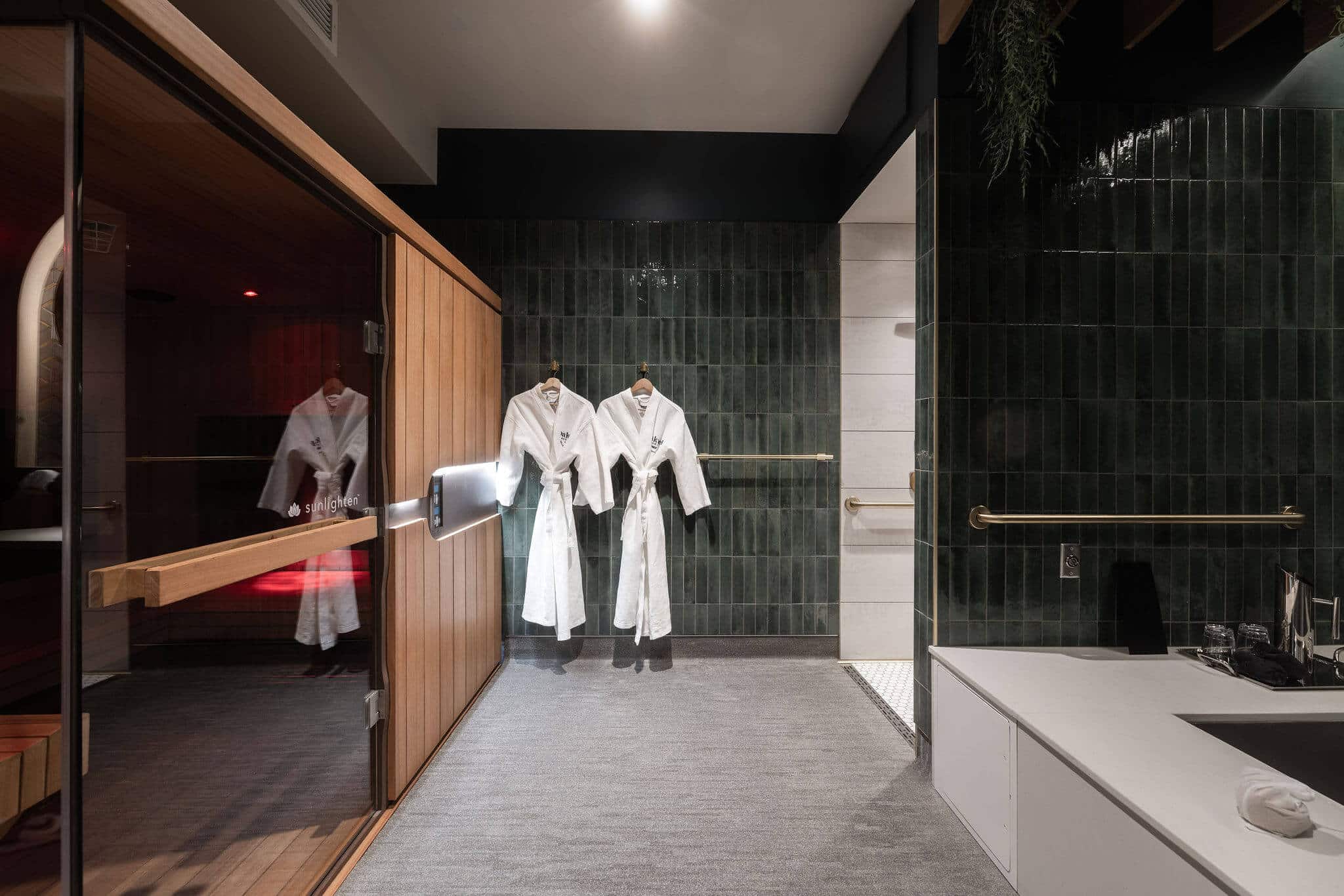
A spa day is one of the most effective ways to slow down, release tension, and reset your mind. At Oakwell Beer Spa in Denver, guests can enjoy infrared sauna sessions, beer bath hydrotherapy, and a full-body massage experience — all designed with relaxation in mind.
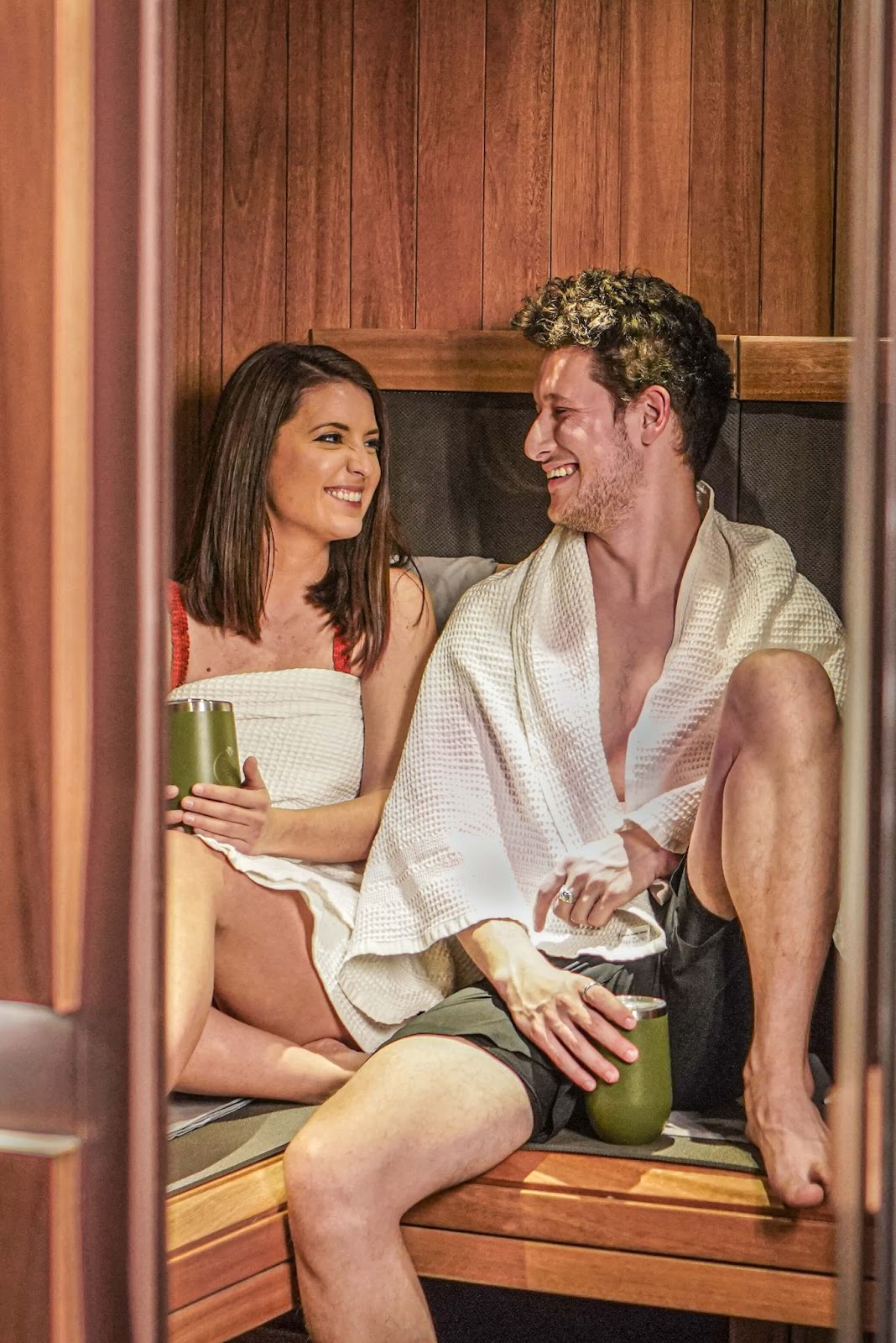
A spa day begins in the Infrared Sauna, where gentle heat warms the body from the inside out. This gradual rise in temperature helps loosen tight muscles and encourages a steady, calming sweat that many people find grounding before moving into deeper relaxation.
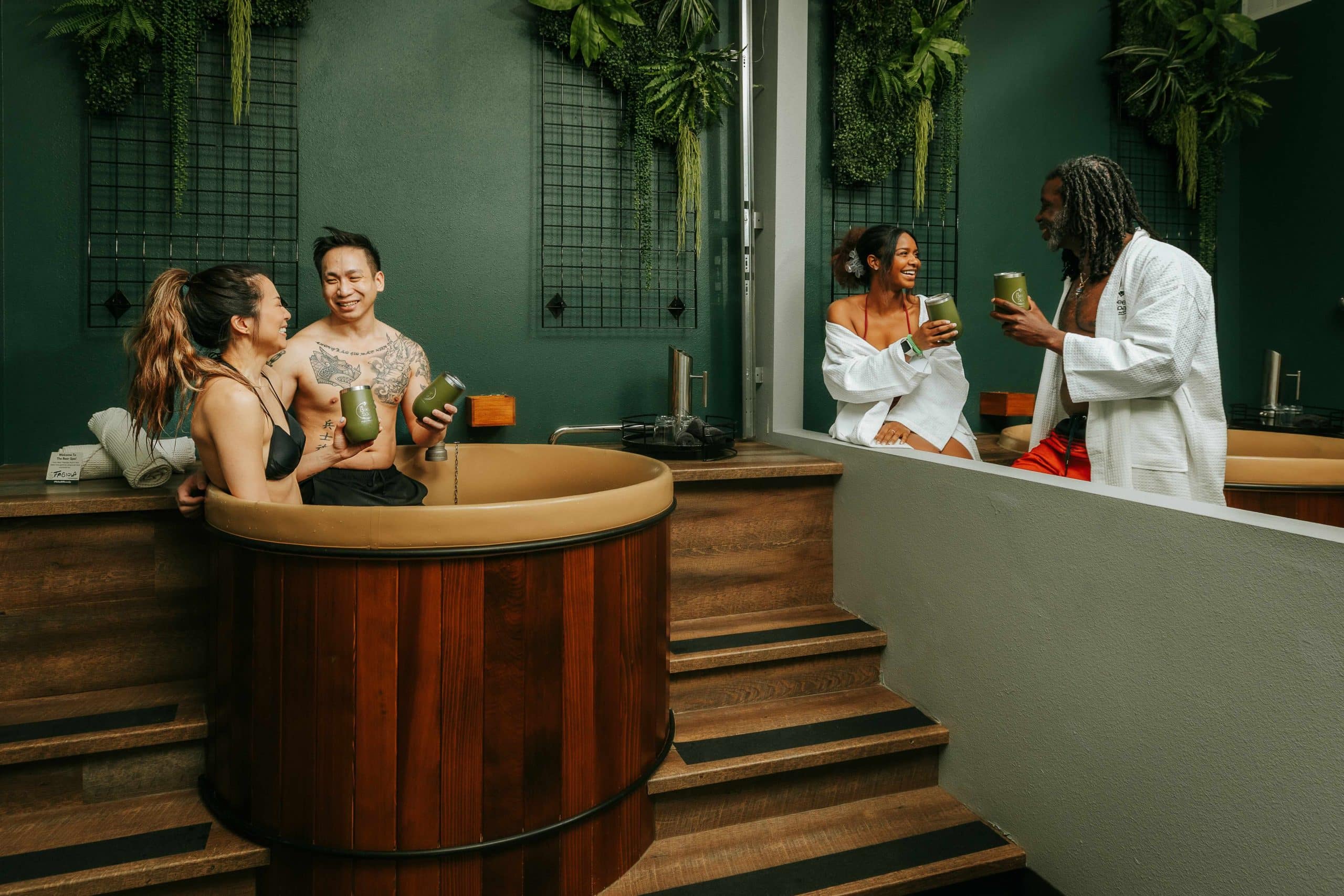
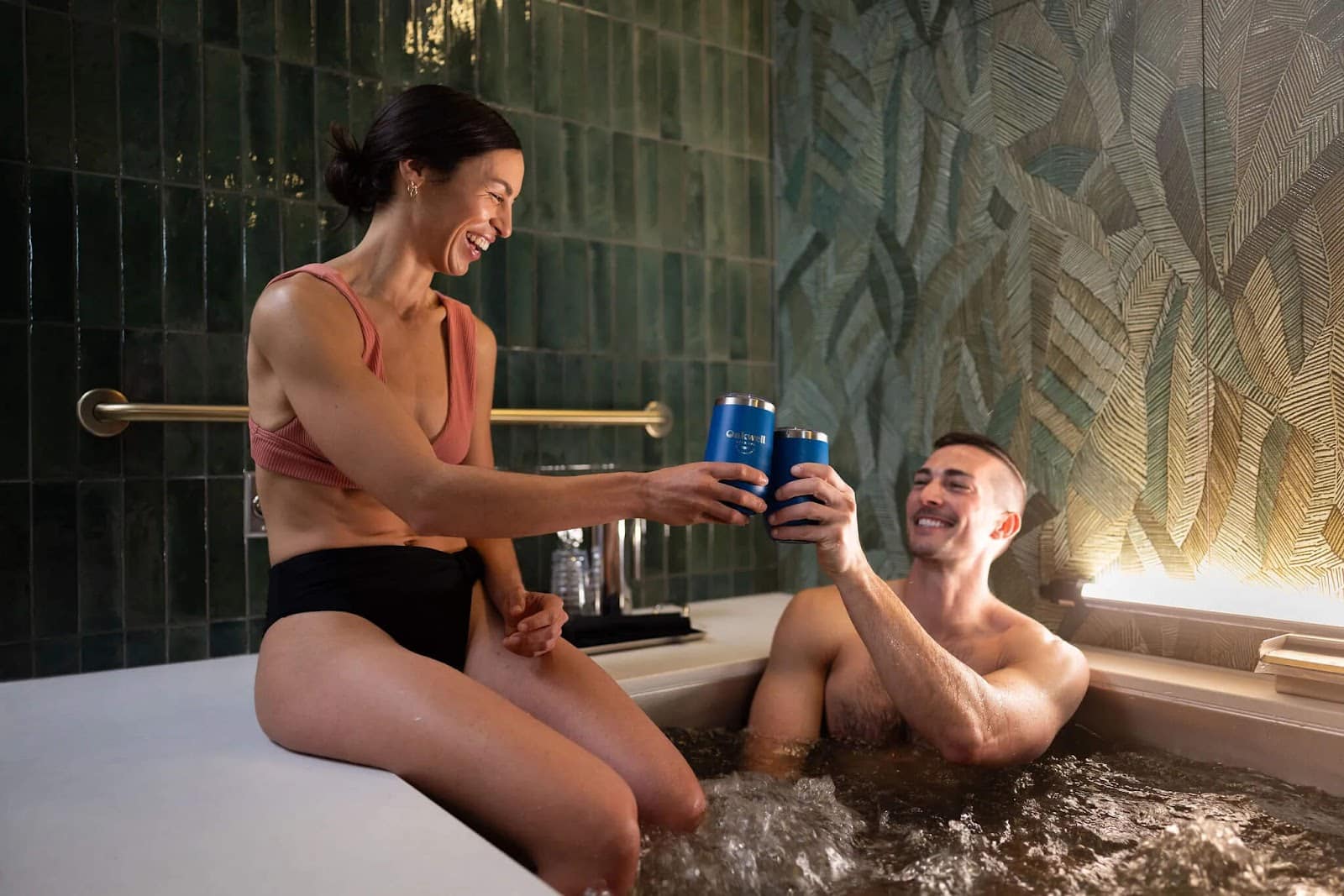
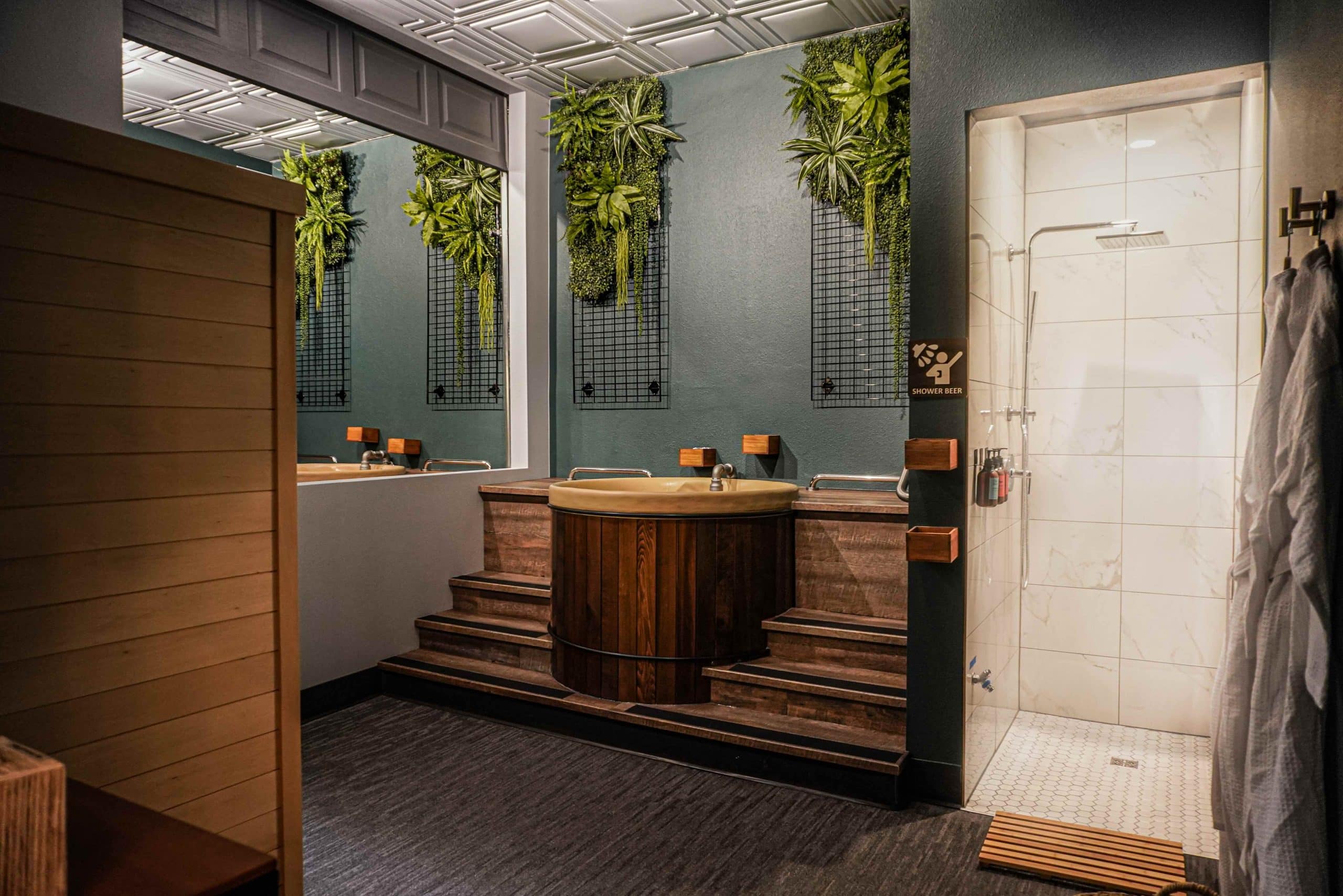
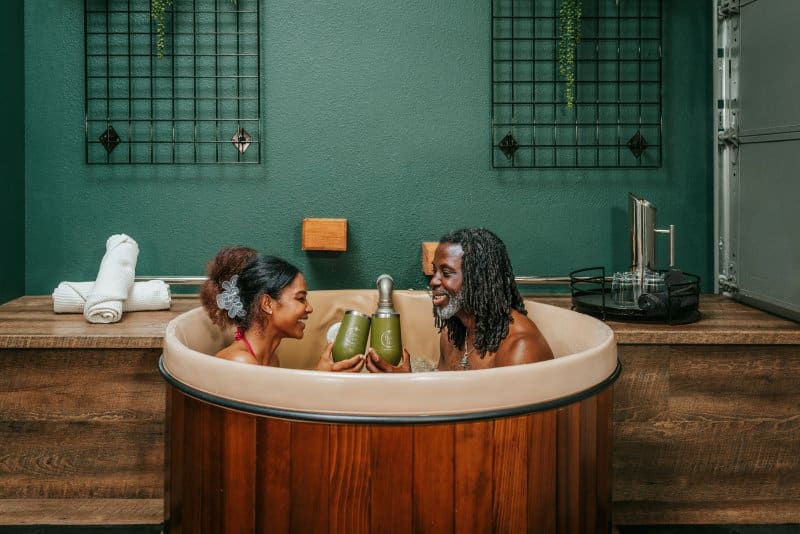
Beer Bath Hydrotherapy is Oakwell Beer Spa’s signature treatment. Warm water is infused with hops, barley, and soothing herbs that help soften muscles and melt away tension. The warm, bubbly bath paired with dim lighting and a quiet atmosphere creates a space that naturally supports relaxation.
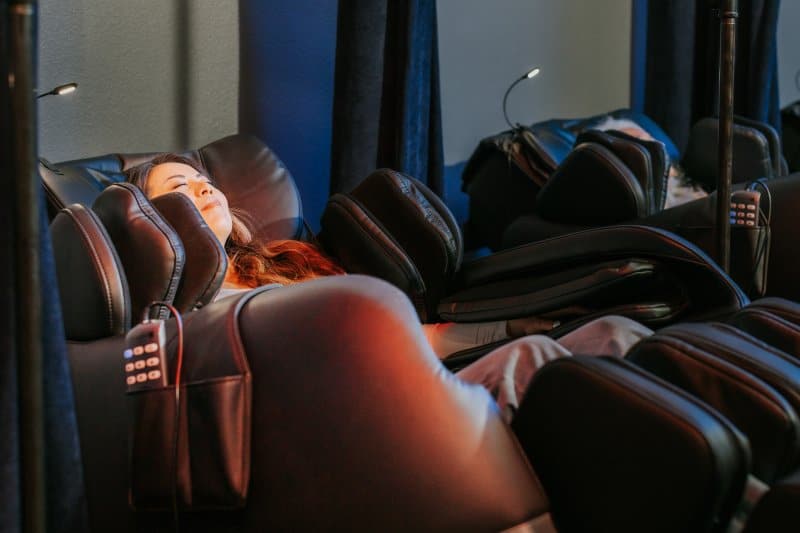
The Zero Gravity Massage is a full-body experience that uses a reclining, weightless position to reduce pressure on the spine. Gentle rolling, kneading, stretching, and air compression techniques move from the neck down to the feet. This treatment helps ease muscle tightness, deepen breathing, and promote a calm, rested state.
If you’ve been struggling with deep sleep, prioritizing relaxation can make a meaningful difference. Hydrotherapy baths, sauna sessions, warm showers, and intentional evening routines all help the body unwind, release tension, and ease into a more restorative sleep cycle.
A spa day can be a helpful part of this process, especially when you want a calm, rejuvenating environment that encourages rest. If you’re in Denver, book a spa day at Oakwell Beer Spa for a unique way to relax and improve deep sleep.
A spa day can help improve deep sleep by reducing stress, relaxing the muscles, and calming the nervous system — all essential for entering deeper sleep stages. Warm water, heat therapy, and massage can also help your body shift into a restful state more easily.
Hydrotherapy baths could help you fall asleep faster because the warm water relaxes the body and encourages gentle cooling afterward, which naturally signals your system that it’s time for rest. They also help ease muscle tension and quiet the mind before bed.
An infrared sauna could be good for relaxation before bed because it gently warms the body, increases circulation, and helps release muscle tightness. Many people feel calmer afterward, making it easier to unwind in the evening.
Hydrotherapy baths and sauna sessions can help support deeper sleep because they relax the body, calm the mind, and help reduce stress — making it easier to enter deeper sleep stages. Massages can also be beneficial, especially for relieving physical tension that disrupts rest.
Explore the most unique things to do in Colorado, from exploring nature and getting adventurous to relaxing at a beer spa and hitting the slopes.

Take a beer bath in Denver at Oakwell Beer Spa. In this article, we'll discuss what a beer bath is and the Oakwell Beer Spa experience.
Oakwell Beer Spa’s beer bath in Denver offers a unique blend of relaxation and wellness. Discover what it is, the benefits, and what to expect from the experience.